
From Sonship to Leadership: The Story of a Planter in Sri Lanka

The following article is an edited version of part of City to City Asia Pacific’s “City Portraits 2025” newsletter. To read more stories about how God is moving in the region, please subscribe to their newsletter.
I come from a Hindu background and grew up in a middle-income home in Sri Lanka. My father struggled with alcohol, which led to a lot of financial hardship. When I was five, my parents decided one of their three kids should live elsewhere. I was chosen to live with my grandmother in Jaffna.
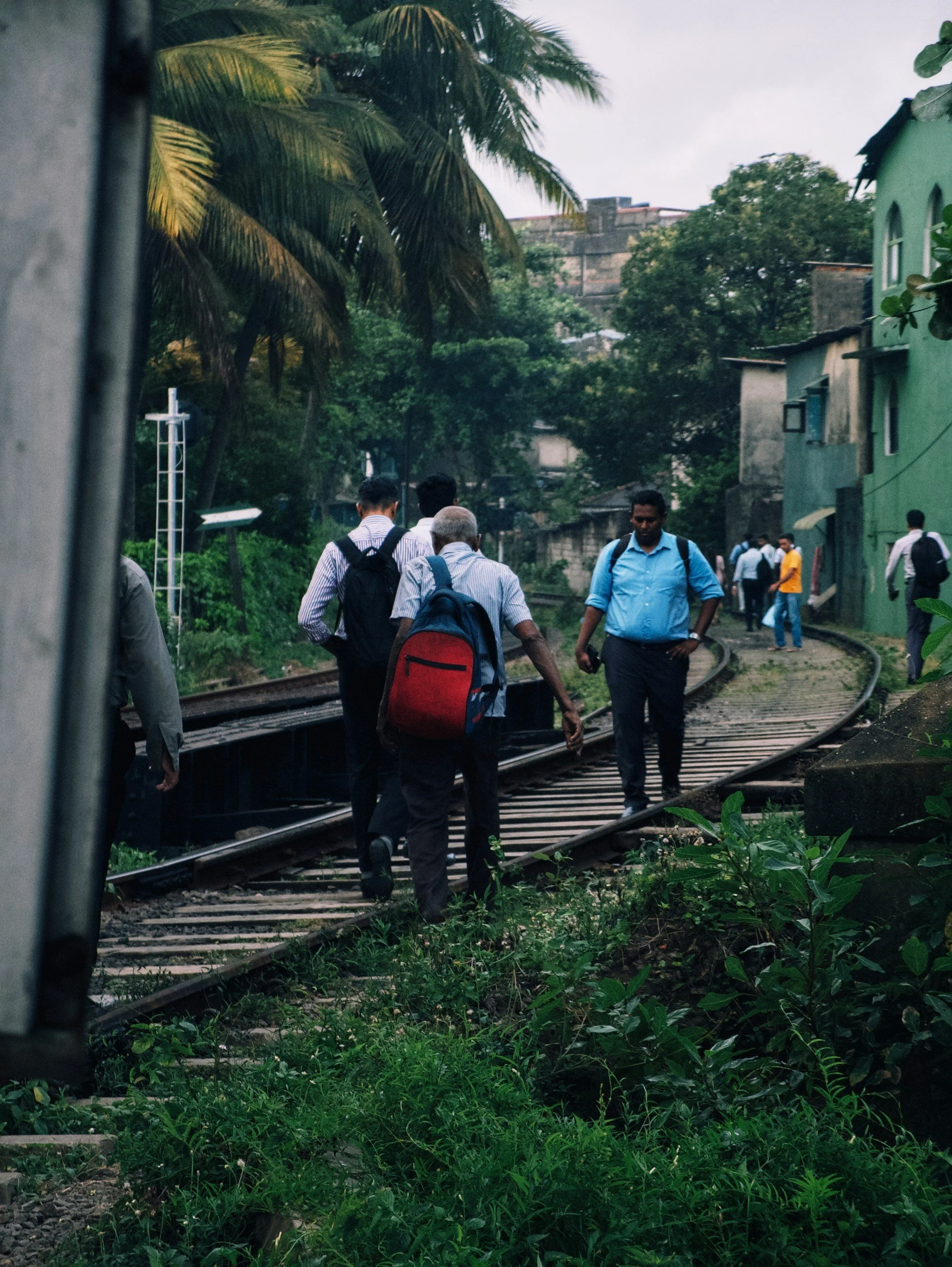
I remember being excited about the train ride, but when we got there, my grandmother seemed cold and strict. I told my dad I did not want to stay, but a few days later he left me there. That was probably my earliest memory of feeling abandoned and unwanted.

Growing up with her was tough. She was old, and I had to take care of both of us. I felt like a servant, not a grandson. When she passed away, I was 11 and moved back to Colombo, the capital city, but I did not speak Sinhala or English, only Tamil. This was after the 1983 riots, and people quickly labelled me a “Tiger” (the Tamil rebel group). I was rejected at school, by my peers, even by my own siblings, who did not have much of a relationship with me anymore. All of that built up a lot of anger and insecurity. I was rebellious and carried a deep sense of worthlessness.
But then, something shifted. After my O-Level exams, when we were still struggling financially, a kind neighbour started reaching out to me. She called me “son”, a word I had never heard directed at me before. She talked to me, spent time with me, and eventually invited me to church. That is where I heard about Jesus, and it changed everything.
I gave my life to Christ and felt peace and purpose for the first time. I went back to school, did well, passed, and started working immediately. I studied at the Chartered Institute of Marketing, began learning English and, by 25, I was heading a marketing department. At 28, I was headhunted by Ingram Micro to be the country manager for Microsoft products. It looked like success, but looking back, I know now that it was driven by something deeper.
That drive came from my early experiences of rejection. I thought, If I do not perform, I will not be accepted. So I performed at school, at work, even in ministry. I was trying to redeem myself through success.
Eventually, I felt called to ministry. I had a burden for young people, probably because of what I had been through myself. But even in ministry, I brought the same patterns. I worked hard to earn the approval of my pastor and even God.
Then in 2021, everything changed again. I went through the City to City Intensive, and during the Gospel Renewal module, I began to understand what sonship really means. Before that, I was living out a self-redemption story, trying to earn love and acceptance. But for the first time, I truly grasped what Christ had already done for me—that I am loved, not because of what I do, but because of what He has done.
Since then, I have been learning to work from a place of rest. That shift from striving to sonship has been the most significant transformation in my life.
A Call to Reimagine the Mission
Sri Lanka is a nation marked by religious diversity and cultural complexity. Though some form of Christianity has been present in Sri Lanka for 500 years, less than 2% of its population identifies as believers of the Christian faith. Why?
I encountered Jesus through the unexpected kindness of a neighbour that showed me how the gospel was relevant to me and the worth God attributes to me as his son. Her contextualization of the gospel was not just helpful, but essential. That moment sparked not only the beginning of a transformation but an eventual calling: to help others meet Christ in ways they can truly understand. If something has to change to reach Sri Lankans, I believe it starts with how we communicate the unchanging gospel to them.
For instance, consider the concept of sin. It is central to how we preach the gospel, but to the 70% of Sri Lankans who are Buddhist, “sin” does not even register. It is not part of their worldview or religious framework. So when we talk about sin in a way we understand but they do not, it simply does not reach their heart.
How do we reframe the gospel so that it resonates deeply, not by changing the message, but by changing how we communicate it? I believe an important step it sit with both the gospel more and the people around me, listening to them and talking with them so I understand them better.
For example, I am beginning to see something clear about the younger generation of Sri Lankans: a need for inner healing. This is a nation that has suffered deeply, and I do not think there is a single person in this country who has not experienced suffering and pain in some form. I am not talking about minor inconveniences; I mean real, systemic, generational pain.
Even today, one in four Sri Lankans lives below the poverty line. Recently I read that 60% of school-going children in Sri Lanka are battling mental stress. The top four reasons are social media, domestic conflict, physical abuse, and pressure to excel.
Of course, the gospel is the answer because only the gospel can renew everything. It not only saves souls but heals hearts, restores identities, and transforms cities. It reaches into the depths of trauma and shame, bringing grace where there was brokenness, and life where there was despair. By understanding precisely what the individuals around us have gone through and the way they think about life, we will be much better equipped to share the hope Jesus provides in a way that reaches their hearts.
Building Trust in a Culture of Suspicion
This attitude of candid listening is countercultural. One of the biggest barriers to gospel transformation in Sri Lanka is that gossip and mistrust run deep, even within some Christian communities, which can make the concept of vulnerability seem impossible.
Recently, I was invited by a well-known Buddhist family (who have recently become Christians) in Kandy, not to talk business but to listen. They opened up about their pain and struggles, but also their fear of becoming a subject of gossip. “If anyone finds out, we are finished.” Even in small groups, they did not feel safe to share. “People talk,” the wife told me. “That is just how it is.”
This is exactly why we believe gospel-centred communities that listen with grace are so vital. Giving people safe, grace-filled spaces where people can be honest without fear of judgment is an important supplement to other gatherings such as Bible studies and paves the way for real gospel transformation to begin. Doing so can result in the very same sort of situation that completely changed my life years ago: a kind neighbour taking the time to learn my name, listen to my struggles, and call me “son”—even before I understood whose son I really am.
To learn more about Colombo, check out the video below.
About the Author
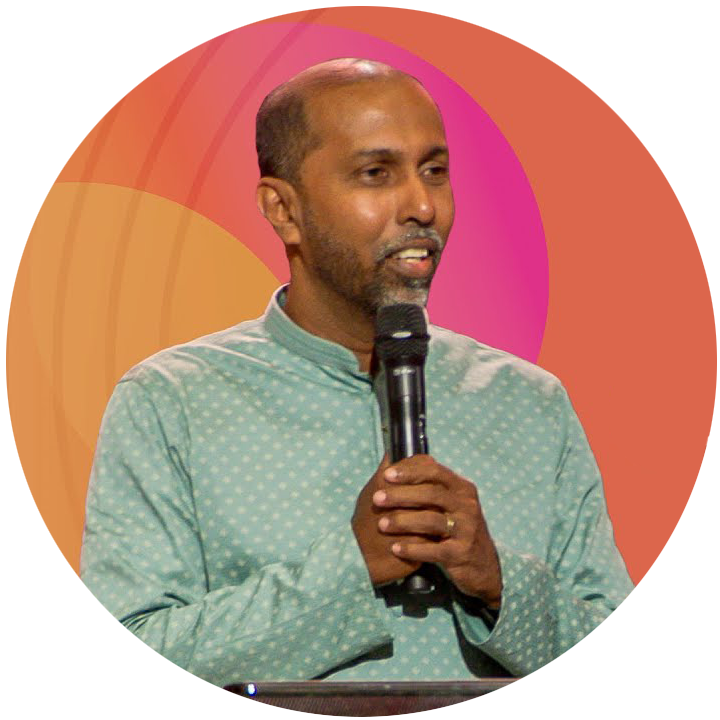
Naresh Sathiyaseelan is the Movement Leader of City to City Sri Lanka. He and his team equip church planters, train gospel coaches, and translate resources to serve Sinhala, Tamil, and English-speaking communities.